For those unfamiliar with construction materials, distinguishing white cement from stone powder is nearly impossible. To understand the difference between stone dust and white cement, it is first necessary to know how each material is produced. In the following section, we briefly examine this comparison.
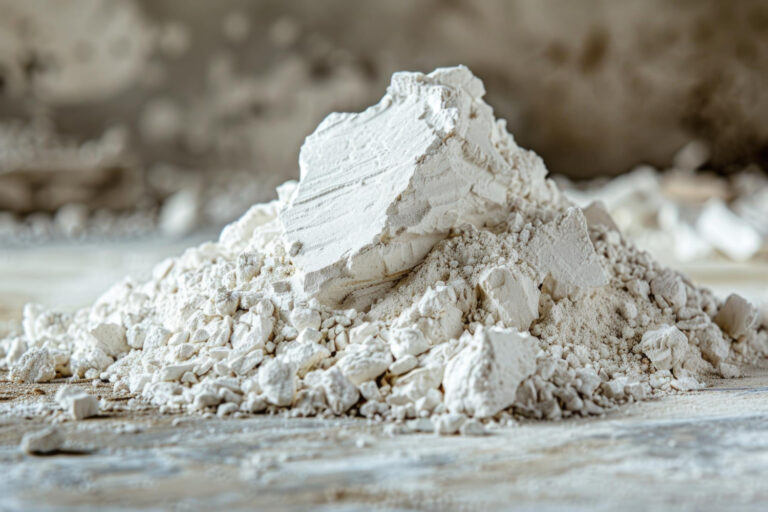
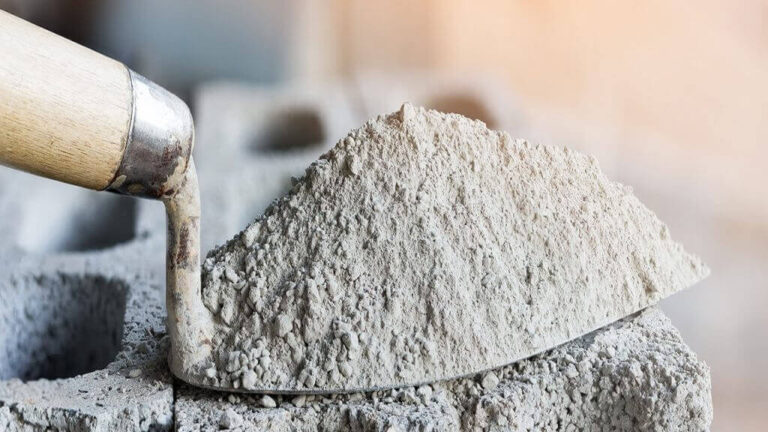
Stone powder is generally produced by grinding and crushing mineral stones such as limestone, calcium carbonate, and marble. In contrast, white cement is manufactured by combining materials such as limestone powder, sand, clay, silica, and other additives. Therefore, one of the primary differences is that stone powder is created naturally through mechanical crushing, whereas cement is formed through a chemical process involving multiple components.
These materials also differ in application. The use of white cement is more limited and is typically applied in façade finishing and joint filling in building projects. Stone powder, however, has a broader range of applications across service, construction, manufacturing, and even artistic fields.
Another method for distinguishing white cement from stone powder is particle size. White cement particles are significantly finer, more rounded, and softer than those of stone powder, making identification easier through texture comparison.